
Constitutional Contemplation
We could choose to label laws as complex and ignore them,only to burn us in our own ignorance. As legality is not the exclusive privilege of the lawyers or the policy makers. It can become the potential voice of citizens
Issue on Jammu and Kashmir
Legal framework is necessary to run any government. It brings harmony and clarity for the law makers. But at times of public emergency or when it’s not the regular breezy day for the bureaucratic officials, laws and the respective amendments are the biggest weapons in their arsenal.
Understanding this legal backdrop is very important for every citizen. The lexicon of law is a very challenging one but one must understand that the most significant events in the past are the ones that have stemmed out proper interpretation of these laws.
Considering the recent tensions going on in the union territories Jammu and Kashmir, post the abrogation of the special status on 5th August 2019, we understand how public are made to stand as fools in front of the laws. Sec 144 of the Criminal Procedure Code (CrPC) of 1973 empowers the Magistrate to order the prohibition of gathering of four or more people and people so forming groups can be booked under ‘unlawful assembly’. This law is used to provide a blanket power to the state and puts the citizen’s fundamental authority into question.
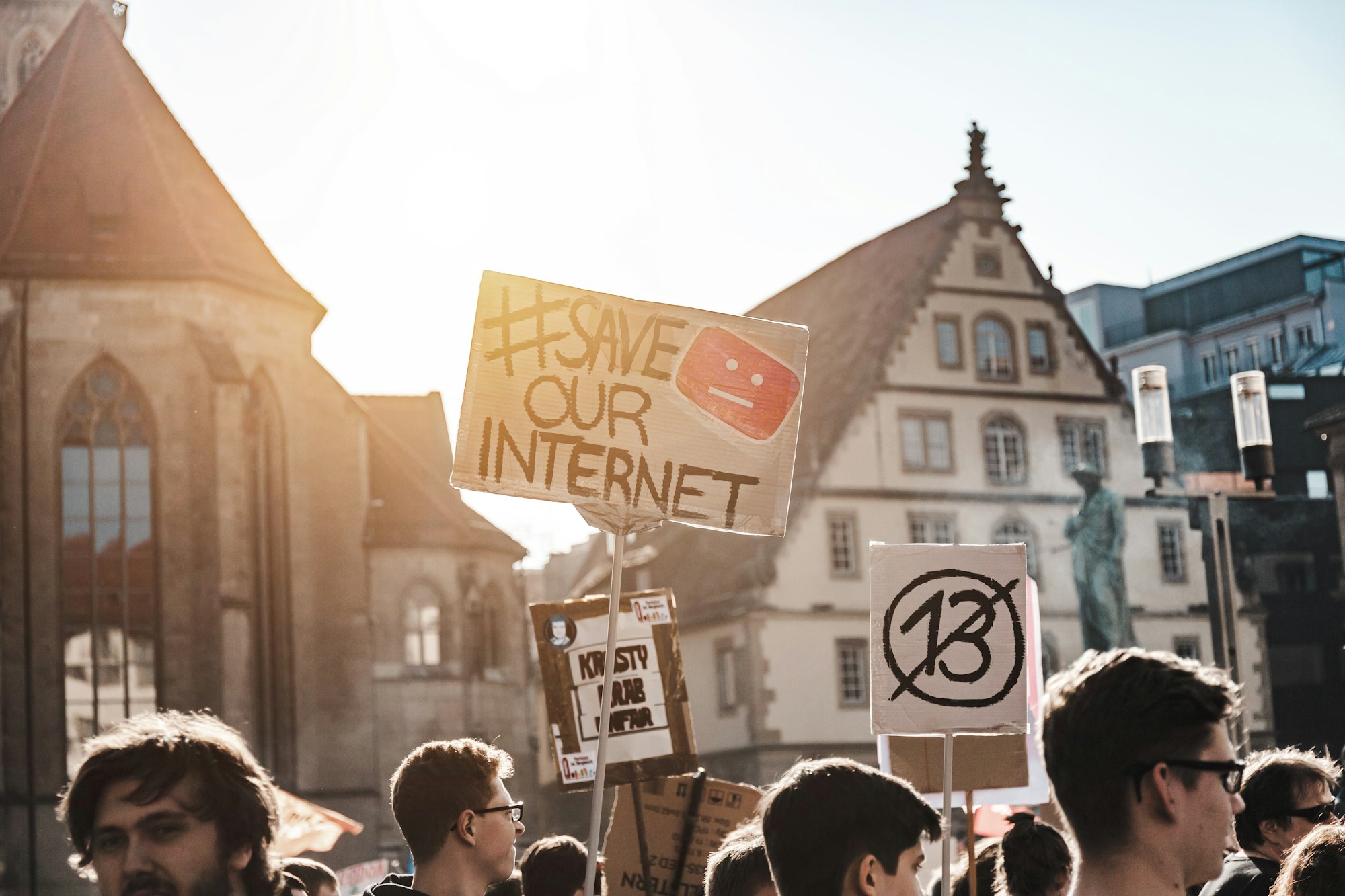
The access to internet has also been curbed saying that internet services are put off due to civil unrest but this has been going for 5 months. Who gave the power to extend the service cut of internet for a long period? There was no law to give the power as well there was nothing to even define it. The power to suspend telecom and internet services in a state is with the home secretary and the order is followed a review by the review committee within 24 hours. The provisions are mentioned in the Temporary Suspension of Telecom Services (Public Emergency or Public Safety) Rules, 2017. This suspension of telecom and internet can be done only for a temporary period. The biggest loop hole here was that, ‘temporarily’ was not defined. This gave the government power to extend the service cut to the period of their wish.
This was why the Supreme Court expanded the scope of the constitution to include access to internet as a fundamental right under Article 19(1) (a) and holding trade on internet as a fundamental right to practice any business in India under Article 19(1) (g). Since article 19 deals with the citizen’s fundamental rights, they cannot be seized on any grounds. Also, the special status of Jammu and Kashmir has been removed (Via abrogation of Article 370). This further implies that all the provisions of the constitution would apply to Jammu and Kashmir as it would to other states of India. As a result of which, the telecom and internet services are to be established within a week’s time for the betterment of its citizens.
Thus, framing laws is never at the hands of the common man but knowing them is always within his reach. We could choose to label them as complex and ignore them,only to burn us in our own ignorance. As legality is not the exclusive privilege of the lawyers or the policy makers. It can become the potential voice of citizens