
COVID-19 tested- Positive or Negative
The virus has also made an offer to India, that can’t be refused. We mean the opportunities. This helps us to measure our global dependence on trade linkages and how vulnerable are we to a global crisis
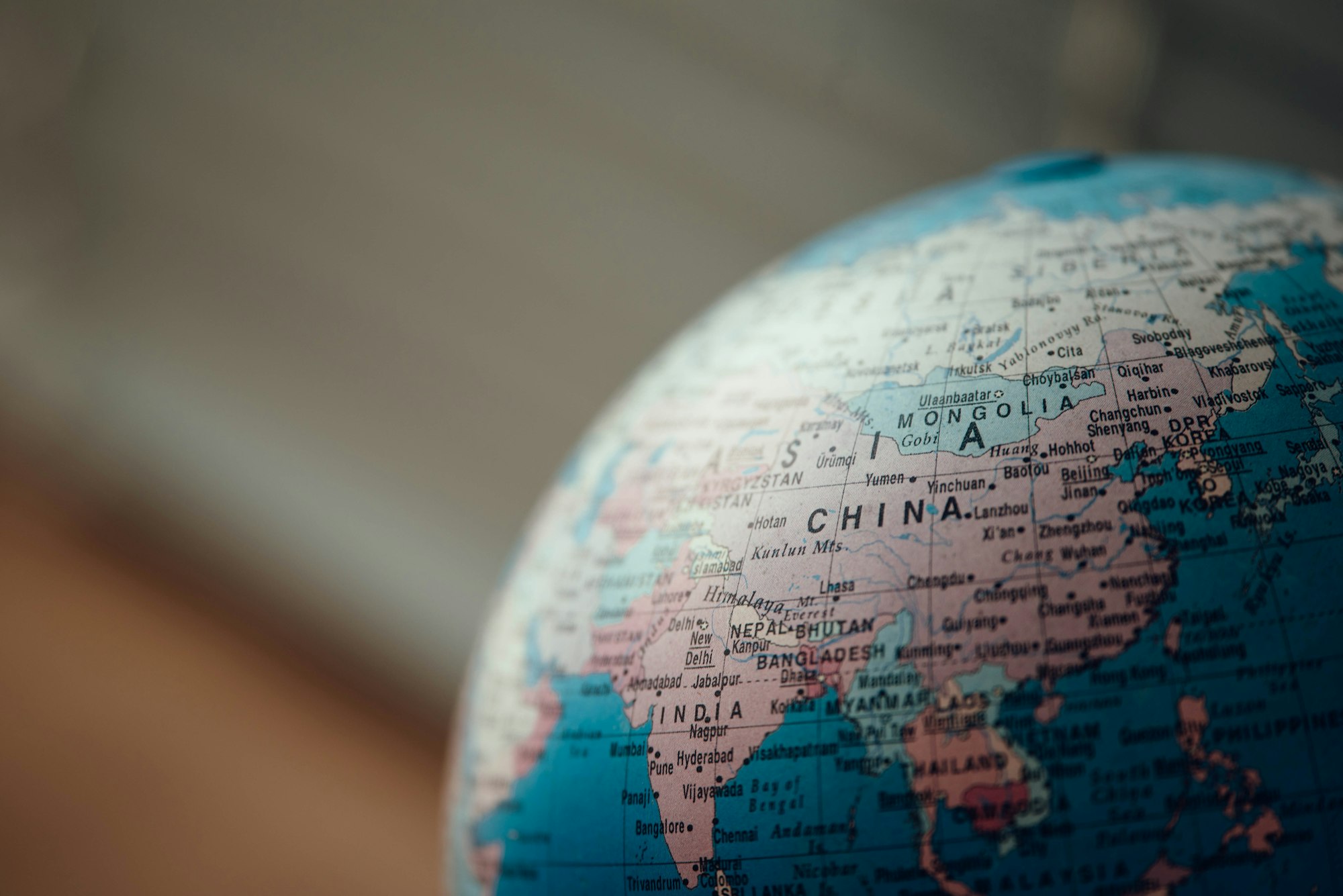
The outbreak of the Coronavirus (COVID-19) is what one would typically call as a ‘Black Swan’. It’s a metaphor for a surprise event with certain extreme consequences. The consequences in the present case are direct and vehement for the Chinese economy but it’s nothing less for the other countries. This is what experts call as a financial contagion; the spread of market disturbances from one country to another through the increased interactions, globalization, supply chains, capital flows, etc. This ripple effect can affect the investor confidence, supply chain and transnational transactions in other countries, thus, disturbing the equity markets and the global supply chain as a whole. We can observe that the effect of a viral outbreak is having an international impact making the policy makers of many countries to come up with to strong policies that can counter the effects of this possible economic downturn. This sort of a viral outbreak in China is not new for the world to comprehend, rather an expected phenomenon. Why is it an increased global concern now?
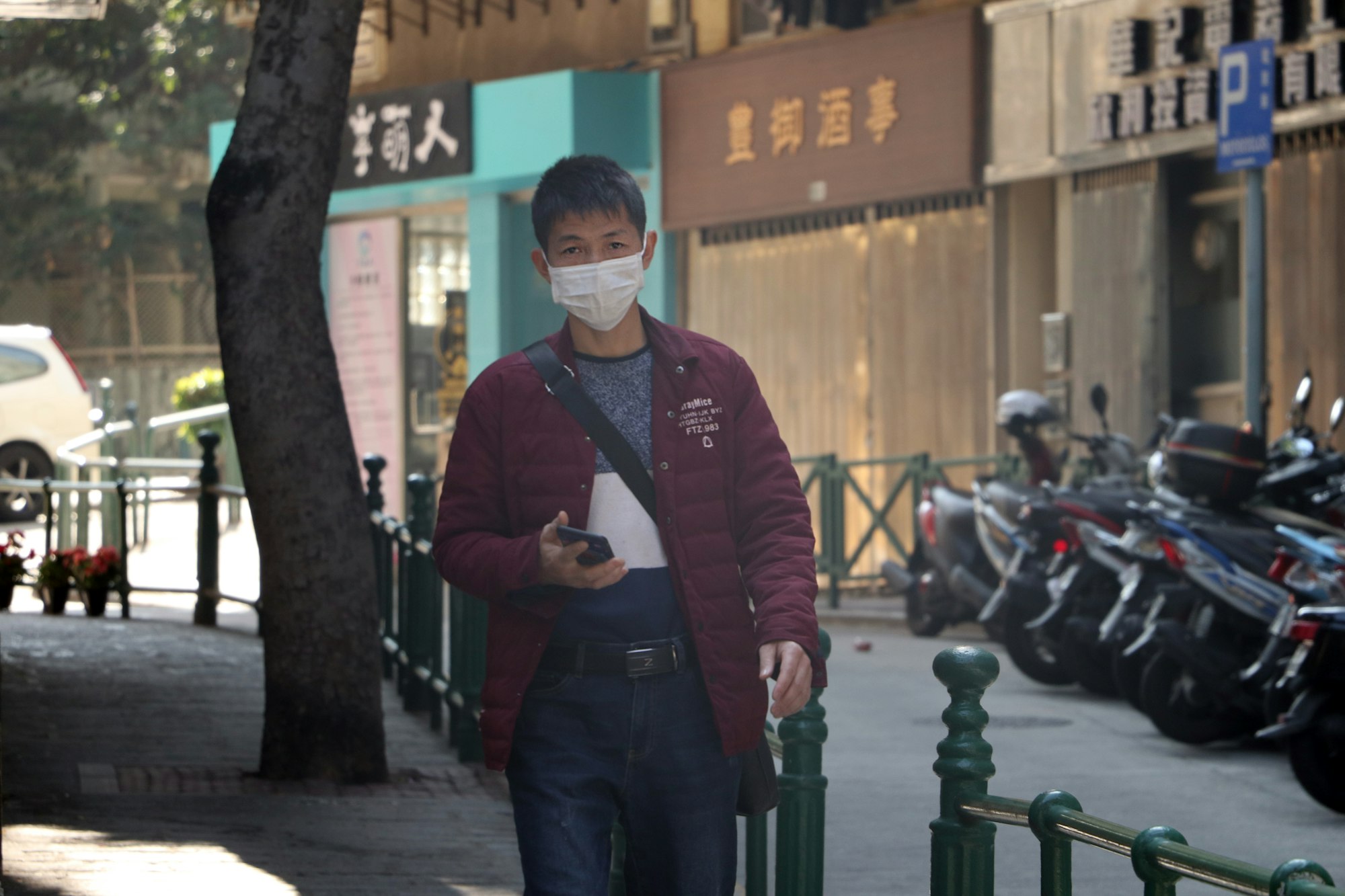
China has experienced something similar seventeen years before, in the form of the Severe Acute Respiratory Syndrome (SARS), another respiratory infection epidemic. That was the first time they constructed a hospital in seven days to treat the patients of the viral infection; Xiaotangshan hospital, a temporary facility to treat the patients. The blueprint and prototype of which was now used to construct a hospital in ten days to treat the patients of the COVID-19. This just reflects the efficiency in their policy execution and the coordination amongst the policy makers and the executors by correctly forecasting the resources and the efficiency of their workforce. But the impact was far less cascading that time. This was primarily due to many factors; less globalization, low dependence on China. Also, the Chinese economy was the 6th largest economy in 2003 but now in 2020 it’s the 2nd largest economy, thus, compounding the cascading effect.
Coming to India in particular, there is never a single answer. The result lies in how we manipulate the situation to benefit our economy. The trade linkages always have their effect on our economy, but they present an opportunity as well as a threat. On the downside, we have a few disruptions. The ban on travel has reduced air traffic and negatively impacted tourism. The global commodity price movements are affected. The levels of inventory have decreased and since there are production halts in China, the near future poses a question as to “From where would India source its inventory”. This cost-push effect will increase prices for the domestic consumers. India imports substantially from China, accounting for 14.7% of its total imports. The major components being imported are pharmaceutical components, consumer electronics and appliances. All these are either used for domestic purpose or are exported. India is the biggest generic drug exporter to the USA. India also exports 18%of the global generic medicines. Since, India imports its bulk chemicals from China, a disruption in the imports to India to could mean a huge supply chain fiasco resulting into a great global contagion. We can just hope that this list of drugs, which face a manufacturing shortage do not include the ones that are needed to treat the COVID-19.
The virus has also made an offer to India, that can’t be refused. We mean the opportunities. This helps us to measure our global dependence on trade linkages and how vulnerable are we to a global crisis. We can reduce our imports and reduce our dependence with China and try to build our own supply capacities. We can bring policies to achieve full and optimum capacity utilization. We can build new facilities to increase production. This downfall of China can be capitalized by us to take the place of China in global exports by filling the gap left by them. This is easy in theory, but many practical problems stare right in front of us. Many others countries too compete with us to seize this opportunity; Pakistan, Bhutan, Nepal, Sri Lanka, etc. Also, optimization of the existing capacities lies in how the present workforce reacts to this situation and takes advantage of it. Incentivizing workers to work up to full capacity would not be a right proposition at this time.
Many experts are of the prediction that India is slipping into the verge of a stagflation. A situation where the economic growth is stagnant, not progressing and the rate of inflation increases. This situation could deplete the savings of households as the prices would increase with no increase in personal compensation. Quick measures by the Indian government to address the issue and bring a solution would be a lot better than working to minimize the effects once the impact has occurred. Considering that the growth projections for the Indian GDP fell from 5.1% to 4.7% calculated on an annualized basis.